Exploring the Art of Wine Pairing: Insights from Stéphanie
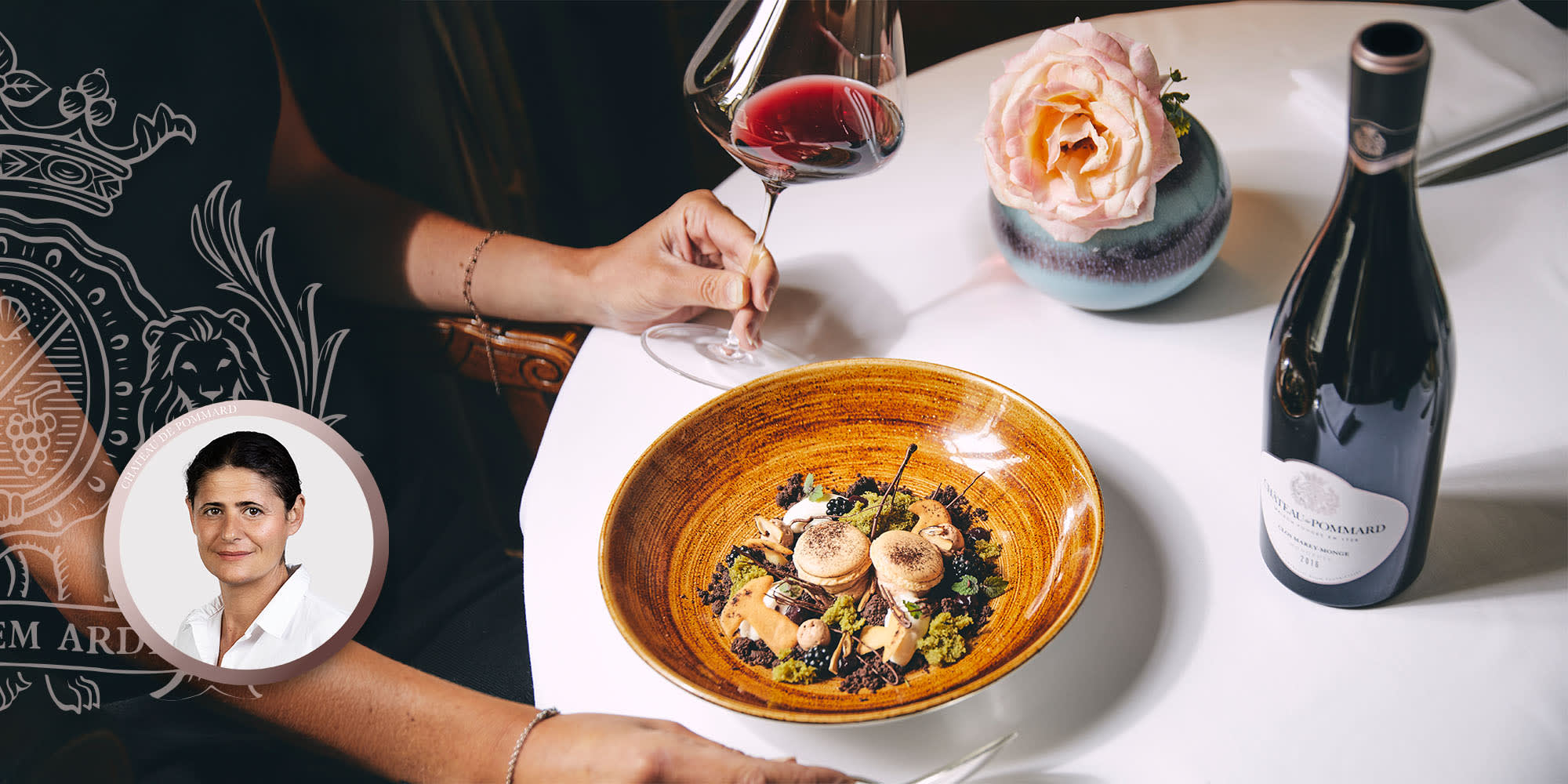
Wine is a connection to culture, terroir, and tradition. For many in the wine industry, it’s a passion that develops early in life and becomes a lifelong commitment. For Stéphanie Gimenez, Wine Advisor at Château de Pommard, this journey was both inevitable and natural. Born in Burgundy, she grew up surrounded by vineyards, and over the years, her path through different industries has shaped her expertise. Today, she shares her insights on Burgundy wines, sustainability, seasonal pairings, and the art of matching the perfect dish to the perfect cuvée.
A Lifelong Love for Burgundy Wines
Stéphanie’s love for wine began in her childhood. Surrounded by vineyards and estates, she developed a deep curiosity and passion for wines, especially those from Burgundy and Italy. Although she initially worked in other industries to diversify her skills, her heart always remained in the vineyards. Eventually, she returned to her true calling, making wine the focal point of her career.
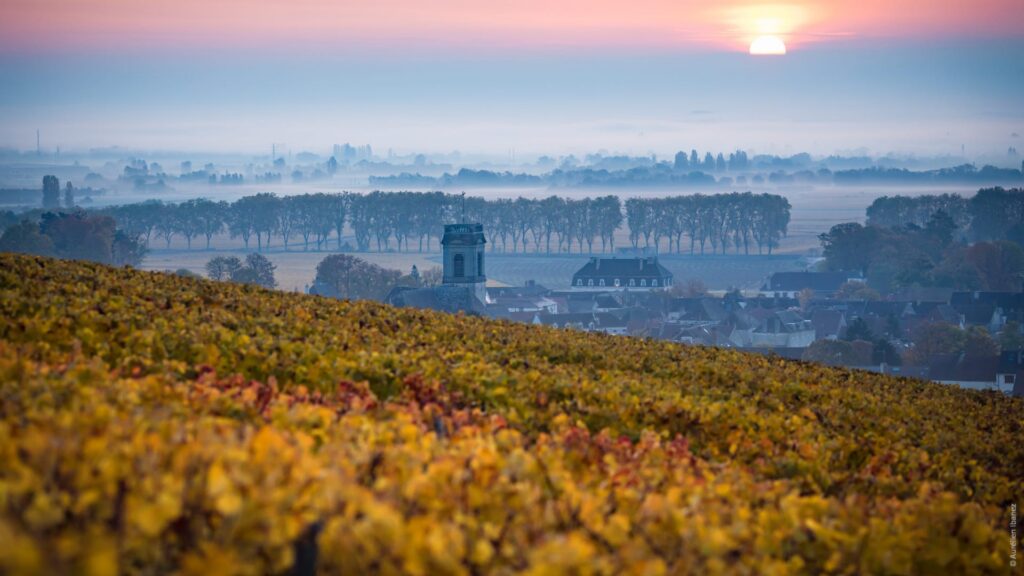
Burgundy wines are incredibly special to Stéphanie because of the region’s extraordinary terroirs and climate, creating perfect conditions for Pinot Noir and Chardonnay to flourish. These two grape varieties, with their distinct characteristics, are nurtured by the unique soils and weather conditions of Burgundy, allowing the wines to express the terroir in ways that few other regions can match.
She shares: “Burgundy has such unique terroirs. The combination of soils, weather, and tradition allows Pinot Noir and Chardonnay to express themselves in the most pure and distinctive way. It’s something you truly feel when you taste them, and that connection to the land makes them special to me.”
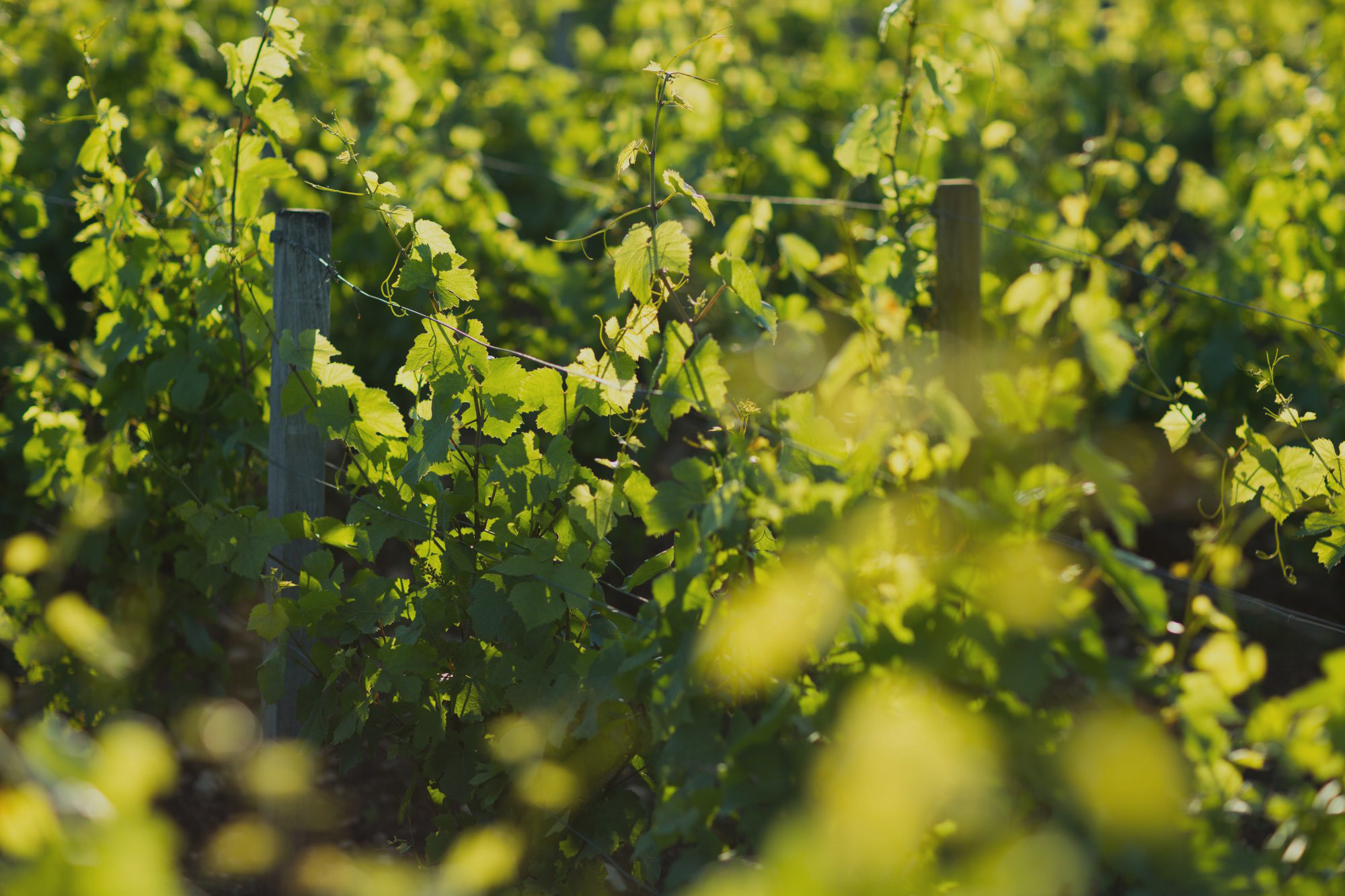
Sustainability is a core value for Stéphanie when choosing wines. In today’s world, respecting the environment is more important than ever. At Château de Pommard, sustainability is embedded in every step of the winemaking process, from reducing chemical inputs to promoting practices that preserve soil health and encourage biodiversity. As she states, “The respect of the richness of the terroirs with a strong biodiversity is the key to great wines with an intense aromatic purity.”
Seasonal Pairings to Delight the Palate
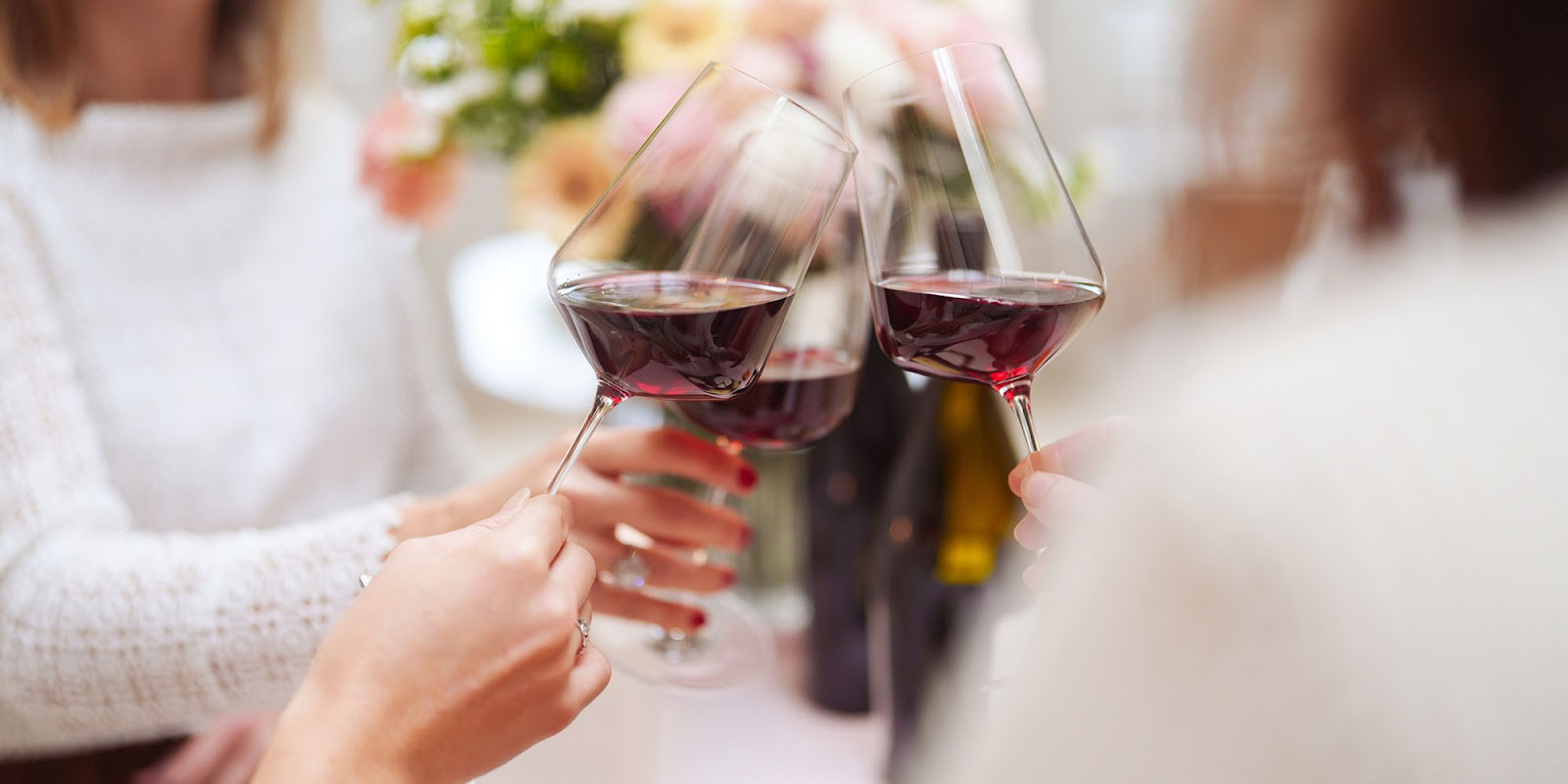
For fall and winter, Stéphanie enjoys pairing hearty, comforting dishes with wine. She favors rich, slow-cooked meats like Beef Bourguignon, Coq au Vin, or Daube Provençale. These dishes, simmered in deep, flavorful sauces, are ideal for the cooler months.
She recommends: “Fall and winter dishes are all about comfort and depth, and the right wine brings out the best of those flavors. Rich meats like Beef Bourguignon or poultry with mushrooms pair wonderfully with wines that have earthy and velvety notes. For seafood, a crisp white brings balance to the dish’s richness.”
For these fall and winter dishes, Stéphanie suggests wines such as Nicolas-Joseph 2017, Grands Esprits 2017, and Clos Marey-Monge Monopole 2016 and 2017. These wines have evolved beautifully, showcasing earthy notes like undergrowth and forest floor that complement the deep, hearty flavors of seasonal dishes. For colder months, she highlights Nicolas-Joseph or Chantrerie 2020 and 2018, which feature velvety tannins and rich, jammy fruit notes that pair well with more indulgent meals.
Mastering the Art of Wine Pairing

One of Stéphanie’s top tips for pairing wines with food is to balance the intensity of the wine with the intensity of the dish. A rich, hearty dish like a stew or braised meat requires a wine with a similar depth of flavor. On the other hand, lighter dishes, such as seafood or vegetable-based meals, pair best with wines with more delicate yet complex flavors. The aromatic profiles of both the food and the wine should also be considered. For example, a fall dish featuring mushrooms would pair perfectly with a wine that has earthy, undergrowth characteristics.
She advises, “The key to a great pairing is balance. You want the wine to complement the dish, not overpower it. For example, with a rich stew, a powerful wine with acidity will help cut through the richness, while a delicate seafood dish calls for a wine that’s light but expressive.”
A common misconception that Stéphanie encounters is the pairing of soft cheeses with powerful red wines. “I often see people pairing soft cheeses with heavy reds, which can overwhelm the palate,” Stéphanie notes. “A smooth, rounded white wine often works much better, bringing out the cheese’s creamy texture without overpowering it.”
Successful pairings require balancing the intensity and aromas of the wine and the food. A good pairing should feel harmonious, where both the dish and the wine elevate each other. For example, a rich, meaty dish like a stew needs a wine that has both power and acidity to cut through the richness, while more delicate dishes pair best with wines that have subtle complexity.
For home cooks looking to elevate their dishes with wine pairings, Stéphanie advises focusing on wines from the same region as the food. This simple yet effective approach ensures that the food and the wine are well-matched in flavors and textures. Additionally, she recommends balancing the intensity of both the wine and the dish to create a harmonious dining experience.
“Regional pairings are a wonderful starting point. Foods and wines from the same terroirs naturally complement each other,” she suggests. “Beyond that, always aim to match the intensity of the dish with the intensity of the wine for a seamless pairing experience.”
For Stéphanie, wine pairing is a way to tell a story—a tale of the land, the season, and the harmony of flavors coming together. “Wine pairing is about creating balance,” Stéphanie explains. “When the wine and food enhance each other, it becomes something unforgettable.” With just a bit of knowledge and curiosity, each pairing becomes an opportunity to explore the beauty of the world’s flavors, one sip at a time.